Effective Digital Marketing Strategies for Small Business in 2024
In today’s digital-first world, small businesses face unique challenges in reaching and retaining customers. With limited budgets, tight resources, and fierce competition, adopting the right digital marketing strategies for small business has become not just an option, but a necessity. The good news? 2024 offers a wealth of opportunities for small businesses to thrive online, thanks to advancements in technology and evolving consumer behaviors.

Image Source: https://hetic.in/what-is-the-difference-between-digital-business-and-digital-marketing/
In this article, we’ll explore actionable and effective strategies that can help your small business grow, connect with the right audience, and achieve sustainable success.
1. Leverage Social Media for Authentic Engagement
Social media platforms remain at the heart of digital marketing strategies for small business. However, the key to success isn’t just about being present—it’s about building genuine connections.
- Choose the Right Platforms: Not all platforms are created equal. Focus on the ones where your target audience spends most of their time. For example, Instagram and TikTok are ideal for visually driven industries, while LinkedIn works well for B2B businesses.
- Engage Consistently: Post regularly and respond to comments and messages. Authentic engagement builds trust and loyalty.
- Tap Into Short-Form Video Content: Platforms like Instagram Reels and TikTok continue to dominate. Creating entertaining, informative, or behind-the-scenes content can humanize your brand and attract more followers.
Small businesses don’t need massive budgets to excel on social media. What matters most is consistency, creativity, and understanding your audience’s needs.
2. Focus on Local SEO
If your business serves a local audience, optimizing your online presence for local search results is one of the most powerful digital marketing strategies for small business.
- Claim Your Google My Business Profile: Ensure your profile is up-to-date with accurate contact details, hours of operation, and photos. Encourage satisfied customers to leave reviews.
- Optimize for Local Keywords: Use location-specific terms in your website content and metadata. For example, “best coffee shop in Austin” or “affordable IT services in Denver.”
- Get Listed on Local Directories: Platforms like Yelp, Bing Places, and niche-specific directories can increase your visibility and credibility.
Local SEO ensures your business gets noticed by nearby customers actively searching for your products or services.
3. Invest in Email Marketing
Despite being one of the oldest digital channels, email marketing remains a cornerstone of effective digital marketing strategies for small business. It’s cost-effective, highly personalized, and drives a strong return on investment.
- Build a Strong Email List: Use lead magnets like free guides, discounts, or exclusive content to grow your email list.
- Personalize Your Emails: Include recipients’ names, segment your audience, and tailor messages to their interests and behaviors.
- Automate Campaigns: Tools like Mailchimp and Constant Contact make it easy to set up automated email sequences for welcome messages, abandoned cart reminders, and more.
Email marketing helps nurture customer relationships and keeps your brand top of mind.
4. Create High-Quality, SEO-Optimized Content
Content is still king in the world of digital marketing. Producing valuable, SEO-friendly content is an essential part of digital marketing strategies for small business.
- Answer Customer Questions: Create blog posts, FAQs, and guides that address common questions or pain points of your audience.
- Incorporate Keywords Naturally: Use tools like Google Keyword Planner to identify relevant keywords and seamlessly integrate them into your content.
- Experiment with Formats: Beyond blogs, try creating infographics, videos, and podcasts. Different formats can appeal to different segments of your audience.
High-quality content not only attracts visitors to your website but also positions your business as an authority in your niche.
5. Harness the Power of Paid Advertising
While organic strategies are vital, paid advertising can provide the boost your small business needs to scale quickly. Platforms like Google Ads and social media offer powerful tools to reach your ideal audience.
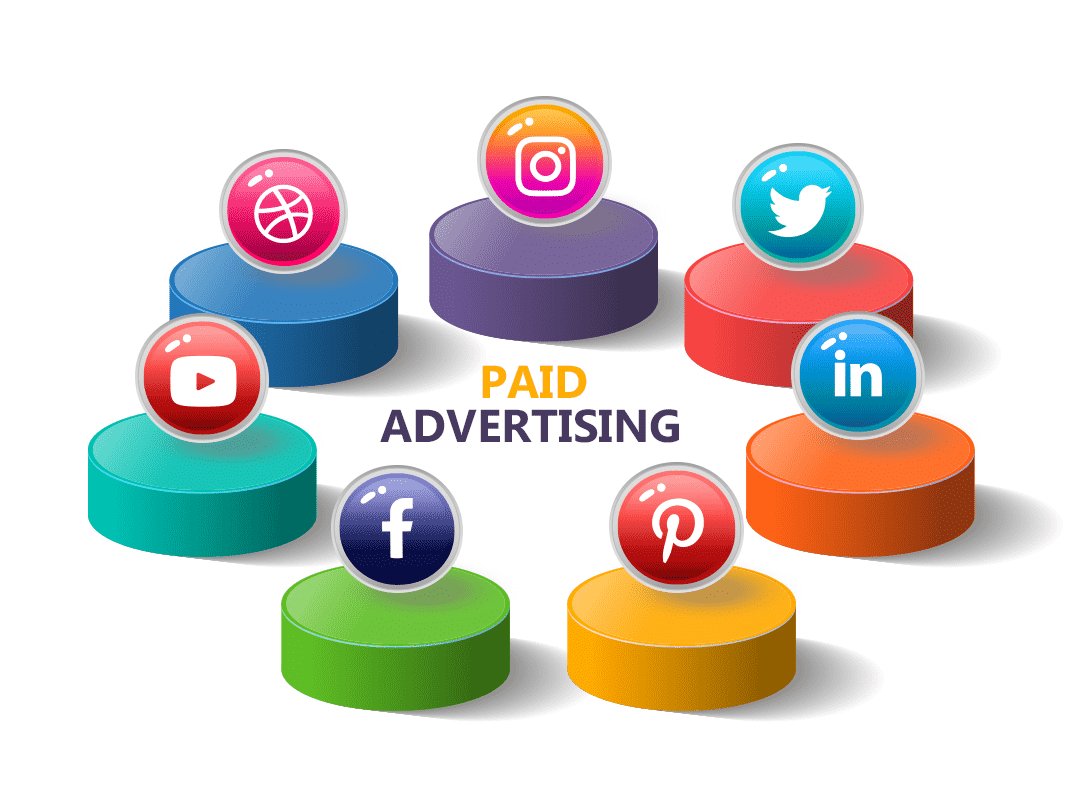
Image Source: https://www.clickslice.co.uk/types-of-paid-advertising/
- Set a Budget and Stick to It: Start small and monitor your campaigns closely. Adjust your spending based on what works.
- Target Specific Audiences: Use features like demographic targeting, interest-based targeting, and retargeting ads to maximize ROI.
- Experiment with Ad Types: Test different ad formats, such as carousel ads on Instagram or responsive search ads on Google.
Paid ads, when managed effectively, can drive immediate traffic and conversions, complementing your broader digital marketing strategies for small business.
6. Embrace Influencer Marketing
Influencer marketing isn’t just for big brands. Micro-influencers (those with smaller but highly engaged audiences) can be a game-changer for small businesses.
- Find Relevant Influencers: Look for influencers in your industry or local area whose audience matches your target market.
- Focus on Authentic Partnerships: Work with influencers who genuinely resonate with your brand. Authentic endorsements are far more impactful than forced promotions.
- Measure Performance: Track metrics like engagement rates, website traffic, and sales generated through influencer campaigns.
This strategy can amplify your reach and build trust with potential customers.
7. Leverage AI and Automation
AI-driven tools are revolutionizing digital marketing strategies for small business, offering smarter and more efficient ways to connect with customers.
- Chatbots for Customer Service: Use chatbots on your website or social media to handle inquiries 24/7.
- AI-Powered Analytics: Platforms like Google Analytics 4 (GA4) provide insights into customer behavior, helping you refine your strategies.
- Personalized Marketing: AI can analyze user data to deliver tailored recommendations and content to your audience.
Automation not only saves time but also ensures a more seamless customer experience.
8. Collaborate with Other Small Businesses

Partnerships with complementary businesses can expand your reach without breaking the bank. For instance:
- Host joint webinars or events.
- Cross-promote each other’s products on social media or newsletters.
- Offer bundled promotions to attract new customers.
Collaboration fosters a sense of community and introduces your business to new audiences organically.
9. Measure, Analyze, and Adapt
Lastly, effective digital marketing strategies for small business require regular evaluation and adjustment. Use tools like Google Analytics, SEMrush, and social media insights to track:
- Website traffic and engagement
- Conversion rates
- ROI on paid ads
- Email campaign performance
By analyzing your data, you can identify what’s working, pivot away from what isn’t, and continually refine your strategies for better results.
Final Thoughts
Navigating the ever-changing digital landscape might feel overwhelming, but the right digital marketing strategies for small business can set you on the path to growth and success in 2024. Whether it’s mastering social media, leveraging local SEO, or embracing the power of AI, there’s no shortage of opportunities to connect with your audience, build trust, and drive conversions.
Remember, the key to success lies in staying consistent, keeping your audience at the center of everything you do, and embracing a willingness to adapt. With these strategies in your toolkit, your small business can thrive in the digital age.
By focusing on what matters most to your customers and leveraging technology to enhance their experience, you’ll not only grow your brand but also create meaningful connections that stand the test of time. So, what’s your next move in 2024’s exciting digital marketing landscape?